
A new year means new resolutions. Some people decide to learn something new, others to finally take up sport. At 25, with a permanent contract, no children and no house, I decided to take on a different challenge: moving abroad for work. It was now or never.
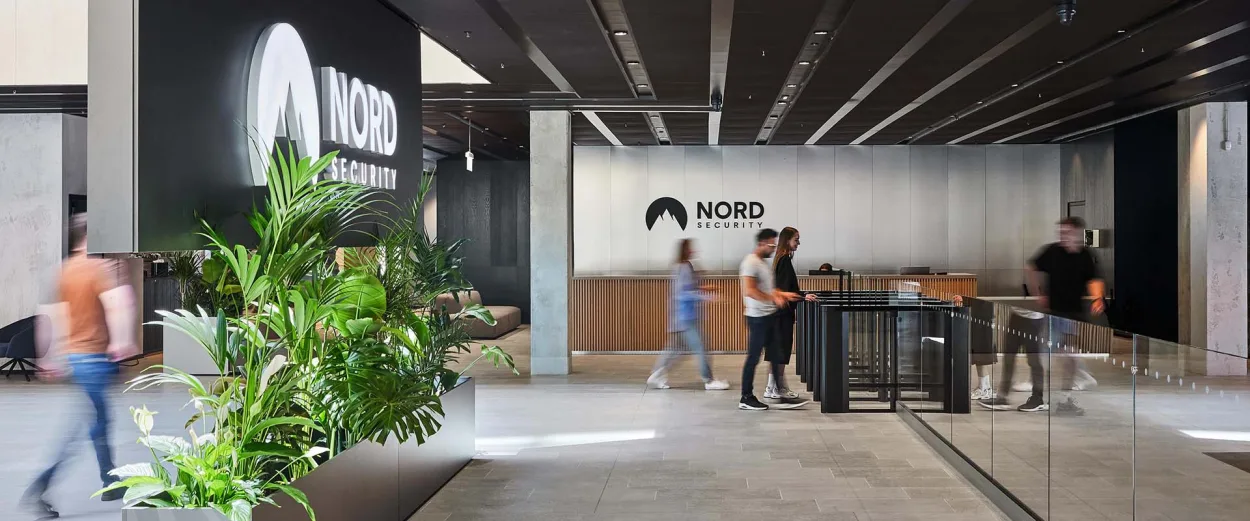
I set myself three goals: broaden my horizons, improve my English and join a company at the cutting edge of cybersecurity. On 15 June 2026, I landed in Warsaw to join Nord Security as a DevSecOps engineer.

A former colleague asked me how this new life was going, so this article is for him. I chose to wait until the end of my probation period before writing it. Here is my feedback, three months in: recruitment, notice period, Polish paperwork, English every day, getting back to hands-on technical work, and company culture.
Why leave, and why Warsaw
The urge to leave came down to one idea: stepping out of my comfort zone, both personally and professionally. Meeting new people, speaking English every day rather than a few hours a month, discovering new horizons. No particular destination stood out, so I applied everywhere, from Portugal to Singapore and Thailand.

Professionally, I wanted to get back to technical work in a cybersecurity company that pushes the state of the art. Nord Security (the company behind NordVPN, NordPass, NordLayer, Saily, Incogni and more) hires mainly in Lithuania and Poland.
I chose Poland because I had heard such glowing things about its capital that I wanted to see it for myself. One detail worth mentioning: I had never set foot in Warsaw before signing. A real leap into the unknown.
Recruitment: transparent from start to finish
It all started with a message: an acquaintance sent me the Nord Security careers page, which listed a DevSecOps role that fit my profile perfectly. I applied straight away.

First pleasant surprise: nothing is kept in the dark. Salary, benefits, test format and number of interviews are all shared upfront. The process has four stages:
- A 30-minute screening call to check motivation and mobility (am I ready to relocate?).
- A take-home technical test (one week).
- Two one-hour technical interviews about the test.
- A final conversation, ending with the offer.
The test was engaging and relevant. It took a lot of time and energy, and I didn’t regret a second of it. Above all, it confirmed my decision: I wanted to join the team capable of designing this kind of exercise.
During the first technical interview, I couldn’t fully answer at least two questions. Rather than leave it there, I dug into those topics on my own and brought more detail to the next round. I believe the effort was appreciated. Not knowing isn’t a dealbreaker; not trying to find out probably is.
My advice for the job search
I wasn’t picky about the destination. When recruiters asked where I wanted to go, I answered by listing the countries I would rule out instead: Belgium and Germany, in my case. Targeting one specific country is possible, but it narrows the field of opportunities considerably. My goals, whether English, technical work or a change of scenery, could be reached in most countries.
Notice period: the French exception
About three months passed between signing and arriving, mostly because of my notice period. Although the wait first seemed long on Nord’s side, the team was understanding.

In France, the Labour Code sets no notice period for resignation: the sector’s collective agreement decides. For managers and engineers (the French “cadre” status), three months is the norm, for instance under the Syntec agreement that covers most of the tech and consulting sector, regardless of seniority. Elsewhere in Europe, the statutory default is much shorter:
| Country | Default resignation notice (employee) | Legal basis |
|---|---|---|
| France (cadre, Syntec) | 3 months, regardless of seniority | Syntec agreement, IDCC 1486 |
| Poland | 2 weeks (< 6 months’ service), 1 month (6 months to 3 years), 3 months (≥ 3 years) | Art. 36 Polish Labour Code |
| Germany | 4 weeks, to the 15th or the end of the month | § 622 BGB |
| Netherlands | 1 month, regardless of seniority | Art. 7:672 BW |
Everywhere, the contract or a collective agreement can extend these periods. Still, the starting gap is clear, and a foreign employer rarely waits three months for a candidate. Factor it into your timeline, or try negotiating a shorter notice with your current employer, whose agreement is required.
Settling in: housing and Polish digital identity
Housing
Finding a flat is an obstacle course in most capitals: on top of the language barrier, demand is high. Warsaw attracts major tech and finance employers, from Google, which set up its Google Cloud development centre there, to Goldman Sachs, JPMorgan and Citi, which employ thousands of people in the city (eFinancialCareers).



PESEL and Profil Zaufany
Two keys to know about before you arrive:
- PESEL: the 11-digit national identification number. Taxes, healthcare, social security: without it, almost nothing moves forward.
- Profil Zaufany (“Trusted Profile”): the free digital identity issued by the Polish state. Linked to your first names, surname, date of birth and PESEL, it acts as an electronic signature for online public services (Careers in Poland). You can activate it online through some Polish banks, or in person at a verification point.
In my case, things got complicated. The system only accepts two first names, and since I have more, my identity was registered incorrectly at the counter, triggering a cascade of bugs. The result: months of questions and back-and-forth to understand the error and fix it, including seven online requests and, finally, three officials and twenty-five minutes at the counter to unlock my Profil Zaufany.
From a security standpoint, the episode is instructive. A digital identity relies on its attributes being consistent across systems: as soon as the passport, the PESEL registry and the bank don’t store the same string of first names, automatic matching fails and everything falls back to manual checks. Hence this advice: check the exact spelling of your identity in the PESEL registry before anything else, and bring your passport to the counter.
Language at the counter and the bank
Not all Polish civil servants speak English, and at my bank branch, nobody does. So you get by: asking strangers for help, relying on Google Translate, Claude or another AI, while being careful about the information you share with them.
Since this is a security blog, one word of caution: translating administrative or banking documents with these tools often means pasting in your PESEL, IBAN or passport number. Redact as much as you can beforehand, and check the tool’s data retention policy, just as with any AI-powered service, from translators to AI voice recorders.
English, QWERTY and an intense first month
In my previous roles, English was limited to a few hours a month. Now it shapes every single working day.
The first two weeks were exhausting: speaking a foreign language all day takes a lot of energy. I added a challenge of my own: switching from the AZERTY layout I had always used to QWERTY. It mattered to me, because I wanted to be able to help colleagues at their desks, for peer reviews or debugging, and for them to do the same at mine.
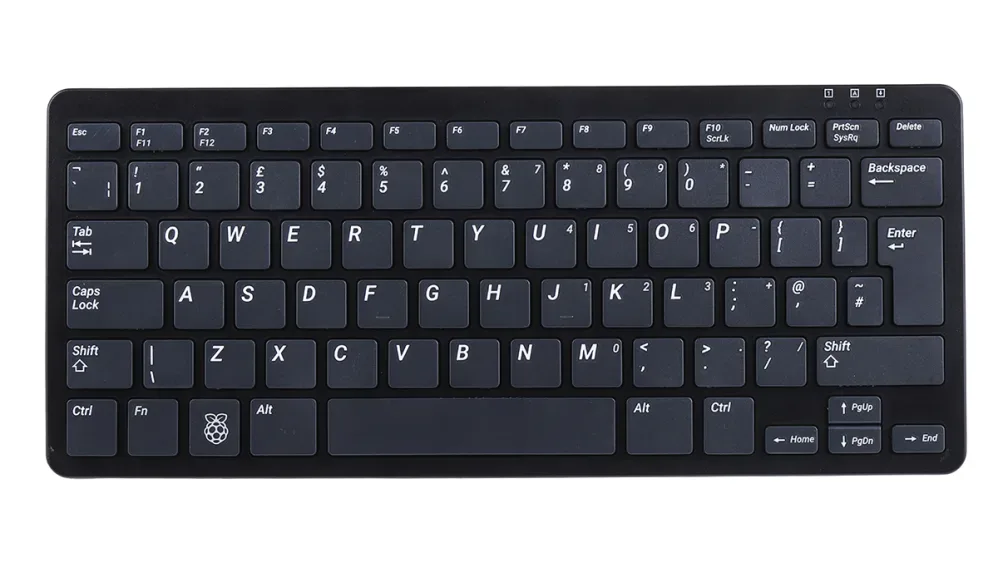
Combined with the demands of a new job, this made the first month particularly intense. On day two, immersed in the team, I couldn’t follow the daily stand-up at all. Listening, reading the documentation, asking lots of questions: the method paid off, and onboarding went very well.
Another big plus: meetings are rare and, when they do happen, useful and often shorter than planned. Nobody tries to fill the time slot.
Getting back to hands-on technical work
After a remarkably well-organised first day of onboarding, I got into the real work the very next day. My day-to-day now revolves around:
- Infrastructure as Code (IaC);
- infrastructure hardening;
- deploying SAST and SCA tools, as well as container security (a topic I also cover on Safecode, for example with isolating AI agents in microVMs with Docker sbx).
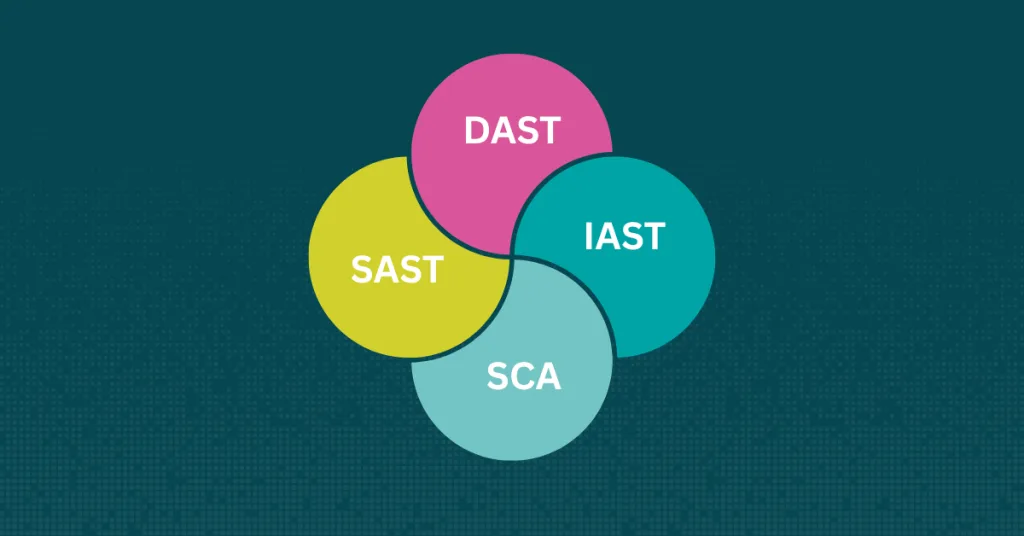
I’m progressing on all these fronts at once. Being surrounded by colleagues with a remarkable technical level naturally pulls you upwards. The organisation helps a lot too, with:
- weekly knowledge-sharing sessions;
- time dedicated to R&D;
- a career development plan;
- plenty of room for proofs of concept and for implementing and industrialising them.
One anecdote sums up this mindset. During a presentation, I demonstrated a way to bypass an open-source security tool. Ten minutes later, the team had already created the ticket to harden the tool… and assigned it to me.
Work culture and life in Warsaw
The first contrast with France: communication is much more direct and honest, less sugar-coated, less political. Disconcerting at first, it avoids a lot of misunderstandings. As for the pace, the week is 40 hours, often less than a French “cadre” on a days-based contract, but these are much denser hours (no one- or two-hour lunch breaks).
Work is hybrid, and the offices are as good as they get: standing desks, fruit and snacks, a barista and a massage room.


The capital is booming at the heart of Europe: Warsaw has a recent metro and a particularly active tech and cyber community. Polish, on the other hand, remains quite a challenge: I know a few words and polite phrases, out of respect for the people I deal with.

Three months on
No regrets, quite the opposite, even though I signed without ever having visited the city. I now see myself here for several years, and Safecode keeps going from Warsaw.

I’ve come to realise that experience abroad is as valuable as a certification: with equal skills, I understand why a recruiter would favour the candidate who dared to take the leap, whether for a few months or a few years.

Leave a Reply